An Ashwagandha Extract Guide: Ingredient Sourcing, Withanolide Content and Supplement Formulation
Explore related product: KSM-66 Ashwagandha Honey Sticks – 30 Count
Two suppliers offer an ashwagandha extract with the same advertised withanolide percentage. One quote is noticeably cheaper. Does that mean the ingredients are equivalent and one supplier simply offers a better price?
Not necessarily.
The extracts may come from different parts of the plant, use different extraction processes, or rely on different analytical methods. Even when the numbers on the specification sheets look similar, the materials may not be interchangeable.
For supplement brands developing capsules, tablets, gummies or botanical blends, understanding these differences matters before approving a formula.
This guide explains what to look for when selecting ashwagandha extract, evaluating raw material quality and preparing a supplement for manufacturing.
What Is Ashwagandha Extract?
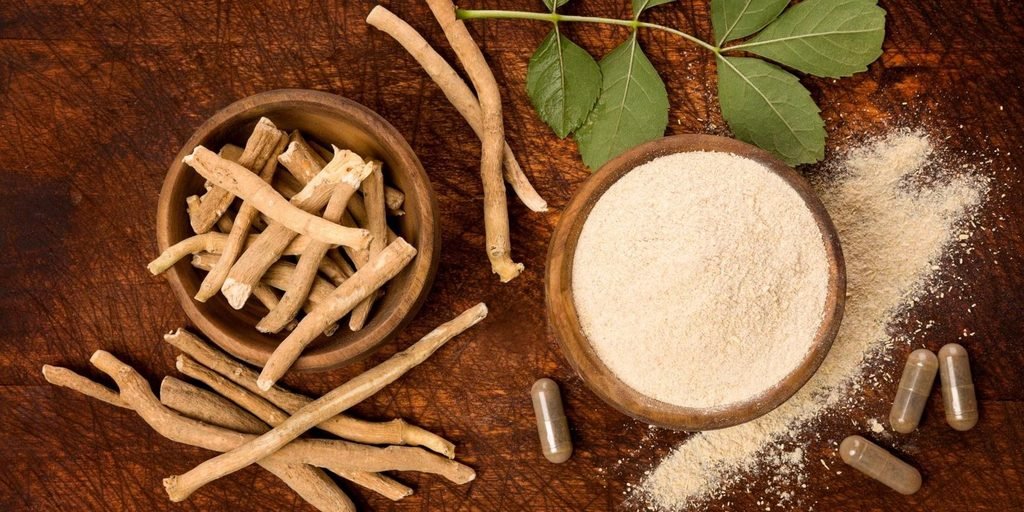
Ashwagandha (Withania somnifera) is a botanical ingredient used in traditional practices and increasingly found in modern dietary supplements. Products containing ashwagandha are commonly positioned in categories such as stress-related wellness, relaxation and everyday well-being.
However, not every ashwagandha extract has the same composition.
Commercial ingredients may include:
- Ashwagandha root powder
- Standardized root extracts
- Extracts using other specified plant parts
- Proprietary or branded extract preparations
These materials can differ in concentration, phytochemical profile, processing and supporting documentation. For brands, the first step is understanding which ingredient is actually being proposed—not simply whether the label says “ashwagandha.”
Ashwagandha Root vs. Leaf: Why Plant Part Matters
One of the most important details on an ashwagandha specification sheet is the plant part used.
Root Extract
Ashwagandha root is widely used in dietary supplements and is covered by established pharmacopeial standards. Root-derived ingredients may be offered as powdered root or as extracts with defined phytochemical specifications.
Leaf and Other Plant Materials
Ashwagandha leaves contain some of the same broader families of compounds found in the roots, but the relative amounts and overall chemical profiles can differ.
This does not mean every non-root ingredient is automatically unsuitable. It means the plant part should be identified correctly, and the material should be evaluated against specifications appropriate to its identity and intended use.
A brand seeking a particular root extract should not assume that another extract with a similar total withanolide percentage is an equivalent substitute.
What to ask your supplier:
- Is the material root-only, leaf-derived or made from specified mixed plant parts?
- Can the supplier document the botanical identity?
- Which extraction process is used?
- Is the proposed material consistent with the ingredient described in the intended formula?
These questions are especially important when comparing branded extracts or changing suppliers.
What Does Withanolide Standardization Actually Mean?
Withanolides are a group of naturally occurring compounds found in ashwagandha. Many commercial ashwagandha extracts are sold with a declared withanolide content, and you may see specifications such as a certain percentage of total withanolides.
That number is useful, but it does not tell the entire story. Different analytical methods may measure different marker compounds or calculate their totals differently. For example, a percentage derived from one testing method should not automatically be treated as equivalent to a percentage reported using another method.
The United States Pharmacopeia (USP) publishes distinct monographs for ashwagandha root, root powder and root dry extract, including defined approaches to evaluating their composition. That distinction matters when evaluating suppliers.
A Higher Percentage Is Not Automatically Better
Brands sometimes assume that an extract with a higher declared withanolide percentage must be a better ingredient. That is an oversimplification.
The relevant questions are:
- Which withanolides are being measured?
- What analytical method supports the result?
- Is the result consistent with the declared plant part?
- Does the material match the ingredient used in the supporting research?
- Is the specification appropriate for the intended product?
A strong ingredient decision should be based on identity, composition, evidence, quality and suitability—not the largest percentage on a marketing sheet.
What Should Brands Check on an Ashwagandha COA?
A Certificate of Analysis (COA) is an important document when evaluating botanical raw materials. However, a COA should be read alongside the ingredient specification and other supplier documents. For a deeper look, see our guide to supplement COAs and third-party testing.
For an ashwagandha extract, relevant information may include:
| Quality Item | What Brands Should Confirm |
|---|---|
| Botanical identity | Correct species and declared plant part |
| Active markers | Withanolide specification and reported results |
| Testing method | Method used to measure relevant marker compounds |
| Microbiological quality | Results against applicable specifications |
| Heavy metals | Relevant contaminant testing |
| Pesticides | Testing where appropriate for the material and market |
| Residual solvents | Information where relevant to the extraction process |
| Batch identification | Traceability to the material being supplied |
Not every testing requirement is identical across markets or formulations. The important point is to request documentation that addresses the actual ingredient and the intended destination market. A supplier should also be able to explain unusual results or differences between specification sheets.
If a manufacturer proposes a replacement extract, brands should review the new material rather than relying only on the original ingredient’s COA.
Choosing the Right Ashwagandha Format
Once the raw material is selected, the next decision is how to deliver it in a finished supplement. Ashwagandha can appear in different dosage forms, but each format presents its own formulation considerations.
Capsules
Capsules are a common option for botanical extracts. They allow brands to work with defined fill weights and may be practical for straightforward single-ingredient or multi-ingredient products. The formulation team still needs to consider powder flow, fill volume, capsule size and excipient requirements.
Tablets
Tablets may be suitable for formulas combining ashwagandha with minerals or other nutrients. However, compression properties, tablet size and the overall formula must be evaluated. Adding another ingredient can change the manufacturing behavior of the blend.
Gummies
Gummies offer a different consumer experience, but botanical extracts can introduce challenges with flavor, bitterness, ingredient loading and stability. A formula that works well in capsules may not transfer directly into a gummy.
Powders
Powdered products may be useful in broader botanical or functional wellness blends. Brands should evaluate taste, dispersibility, serving size and compatibility with other ingredients.
The best dosage form depends on the ingredient specification, intended serving, product concept and manufacturing feasibility. It should not be selected solely because a format is popular.
Branded Ashwagandha Extract vs. Generic Extract
Some brands prefer a recognized proprietary extract. Others choose a generic material that meets their specifications. Both approaches can be commercially reasonable.
A branded extract may offer a defined ingredient identity, manufacturing process, supporting research or trademark-related positioning. Generic extracts can provide flexibility when sourcing and developing formulas.
However, brands should check the actual evidence and documentation associated with each material. A generic extract should not automatically inherit the research findings or product claims associated with a different proprietary preparation. Similarly, using a recognizable trademark requires appropriate authorization and accurate ingredient representation.
Before selecting a material, consider the complete package:
Ingredient identity, documentation, specification, research relevance, supply reliability and cost.
Safety and Label Claims Deserve Early Attention
Ashwagandha is a botanical ingredient, not a universal solution for stress or sleep concerns. Research findings differ depending on the preparation studied, and long-term safety information remains limited. Safety considerations also matter when developing products for particular consumer groups.
According to the U.S. National Center for Complementary and Integrative Health (NCCIH), ashwagandha should be avoided during pregnancy and breastfeeding, may interact with certain medications, and has been associated with rare reports of liver injury. It is also not recommended for certain individuals, including those with some thyroid or autoimmune conditions.
For supplement brands, these considerations should inform product evaluation, labeling and regulatory review.
Marketing claims also require care. For U.S. dietary supplements, structure/function claims must meet applicable substantiation, disclaimer and notification requirements. Claims that a supplement treats, prevents or cures a disease are not appropriate ordinary dietary supplement claims. The appropriate label wording and market requirements should be reviewed before packaging artwork is approved.
Questions to Ask Before Manufacturing an Ashwagandha Supplement
Before requesting a final production quotation, try to answer these questions:
- Which ashwagandha ingredient and plant part will be used?
- What does the withanolide specification measure?
- Which COA, testing methods and supplier documents are available?
- What dosage form and serving size are intended?
- Are there formulation or stability concerns that need evaluation?
- What are the target market’s ingredient, labeling and claims requirements?
- Can the selected ingredient be sourced consistently for future production?
These details make supplier quotations more meaningful. They can also reduce the risk of discovering late in development that the proposed material does not match the product concept. For help evaluating a manufacturing partner, see our guide on how to choose a supplement manufacturer.
Developing Ashwagandha Supplements With Honson Global
At Honson Global, we support supplement brands with private label and OEM/ODM manufacturing solutions across multiple dosage forms. Our existing product range includes Magnesium Ashwagandha Complex Tablets, an example of how ashwagandha may be incorporated into a multi-ingredient supplement concept.
For a new project, brands can discuss:
- Formula requirements and ingredient selection
- Capsules, tablets, gummies or other suitable dosage forms
- Raw material specifications and documentation requirements
- Packaging options
- Manufacturing and quality-control considerations
The details depend on the product, selected ingredients and destination market. Starting with a clear ingredient specification gives the project a stronger foundation than choosing a formula based only on the lowest raw material price.
Planning an Ashwagandha Supplement Project?
Whether you are developing a single-ingredient ashwagandha product or a botanical blend, it helps to clarify the formula before moving into production. Tell us your target market, preferred dosage form, ingredient specifications, estimated order quantity and packaging requirements. Honson Global can review your project requirements and discuss suitable OEM or private label manufacturing options.
Final Thoughts
Not all ashwagandha extracts are equivalent. Plant part, extraction process, withanolide specification, analytical methods and quality documentation all influence how an ingredient should be evaluated.
For supplement brands, the most useful question is not simply which extract has the highest advertised percentage. It is whether the chosen ashwagandha extract is properly identified, consistently specified, appropriately documented and suitable for the finished product. Making those decisions early can help create a more reliable foundation for formulation and manufacturing.
Frequently Asked Questions
What is the difference between ashwagandha root powder and root extract?
Root powder is made from powdered botanical material. Root extract undergoes an extraction process and may be standardized to specified compounds. Their composition and concentration may differ.
What does a 5% withanolides specification mean?
It indicates a declared percentage of measured withanolide compounds under a specified analytical approach. Brands should confirm which compounds are measured and the method used before comparing extracts.
Is a higher withanolide percentage always better?
No. A higher percentage alone does not establish superior quality, safety or suitability. Plant part, testing method, phytochemical profile and supporting documentation also matter.
Can ashwagandha be manufactured as gummies?
Ashwagandha may be formulated into gummies, but botanical flavor, ingredient loading, processing compatibility and stability need to be evaluated.
Can supplement brands customize an ashwagandha formula?
Yes. Depending on the manufacturing partner’s capabilities and project requirements, brands can explore different ingredients, combinations, serving sizes, dosage forms and packaging options.
Further Reading
- USP — Ashwagandha Root Dry Extract Monograph
- NCCIH — Ashwagandha: Usefulness and Safety
- FDA — Structure/Function Claims