Sustainable Supplement Sourcing: How It Wins Customers and Cuts Costs
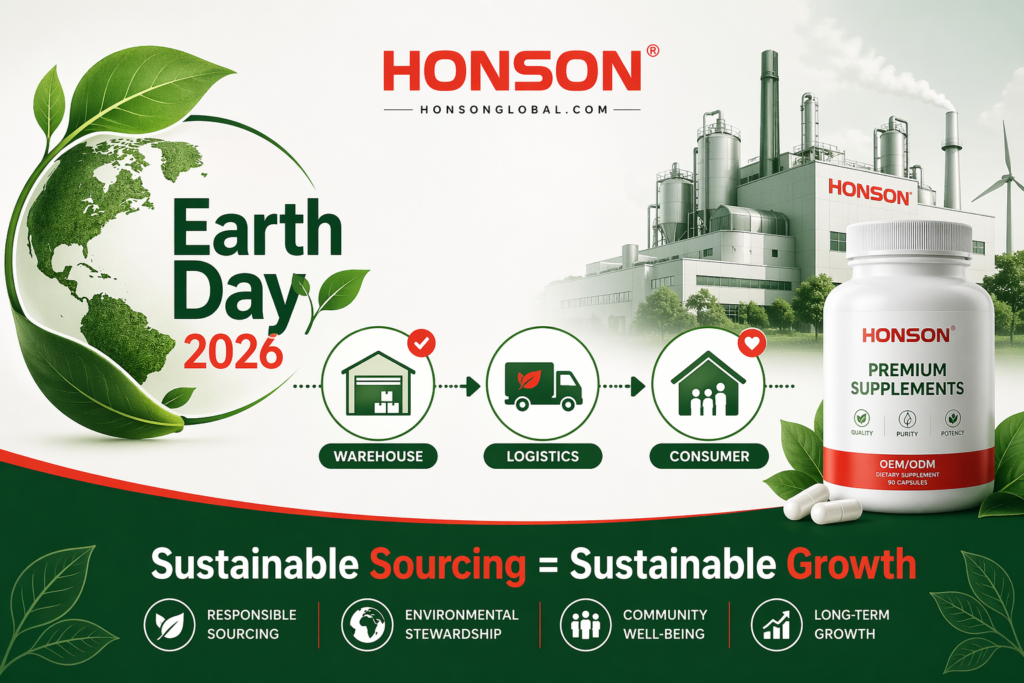
very April 22, brands flood social feeds with green promises. But for supplement brands, sustainability isn’t a once-a-year campaign — it’s a daily operational reality that lives in your supply chain. This Earth Day, we’re cutting through the noise to show how sustainable sourcing practices directly impact your bottom line, your customer retention, and your brand’s long-term viability. The brands that treat their supply chain as a sustainability asset are the ones winning repeat purchases in 2026.
Why Your Supplement Supply Chain Is Your Biggest Sustainability Lever
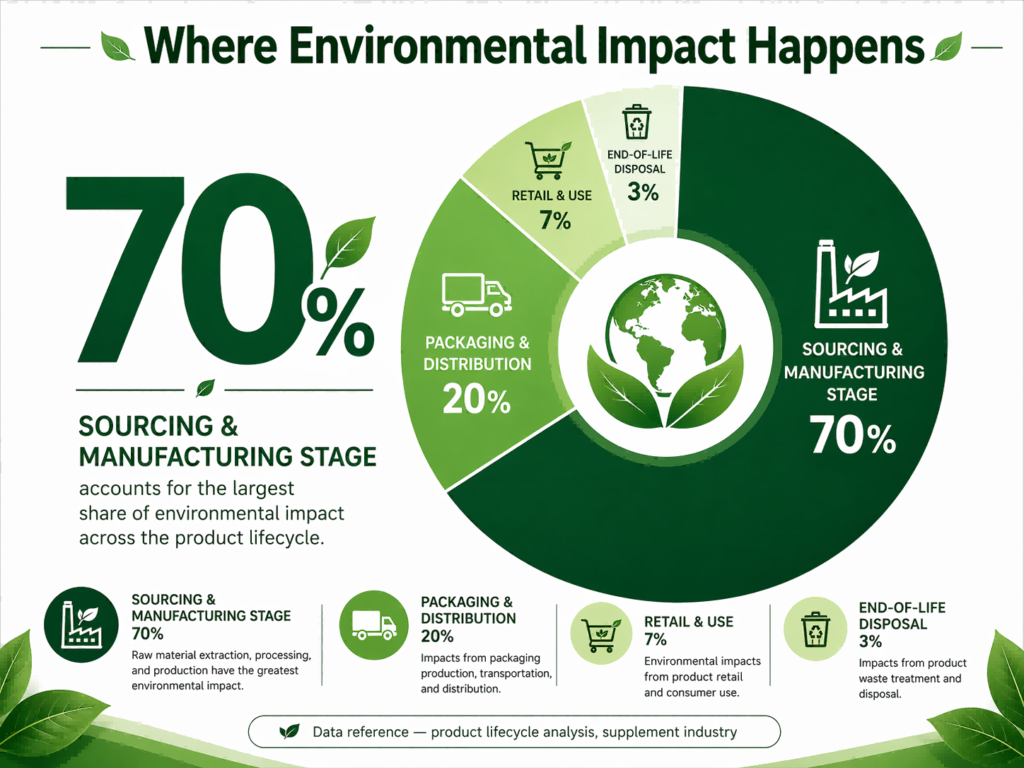
- Here’s a number that changes how you think about “going green”: over 70% of a product’s total environmental footprint is determined at the sourcing and manufacturing stage. Not at the retail shelf. Not at the recycling bin. At the factory floor where raw ingredients become a finished supplement.
- For the dietary supplement industry, this creates a unique set of challenges. Ingredient traceability remains fragmented — many brands cannot name the origin of every raw material in their formula. Packaging materials, from plastic bottles to blister packs, add layers of waste. And the carbon cost of shipping finished goods across oceans adds up fast, especially for brands manufacturing in Asia and selling in North America or Europe.
WHY YOUR SUPPLEMENT SUPPLY CHAIN IS YOUR BIGGEST SUSTAINABILITY LEVER
Here’s a number that changes how you think about “going green”: over 70% of a product’s total environmental footprint is determined at the sourcing and manufacturing stage. Not at the retail shelf. Not at the recycling bin. At the factory floor where raw ingredients become a finished supplement.
For the dietary supplement industry, this creates a unique set of challenges. Ingredient traceability remains fragmented — many brands cannot name the origin of every raw material in their formula. Packaging materials, from plastic bottles to blister packs, add layers of waste. And the carbon cost of shipping finished goods across oceans adds up fast, especially for brands manufacturing in Asia and selling in North America or Europe.
Yet the consumer trend is unmistakable. Shoppers increasingly demand to know where their supplements come from, how they’re made, and whether the brand behind them takes environmental responsibility seriously. The brands that answer these questions confidently are the ones converting skeptical browsers into loyal buyers.
THE HIDDEN COST OF “CHEAP” SOURCING
It’s tempting to chase the lowest unit price when selecting a manufacturer. But the real cost of “cheap” sourcing extends far beyond the invoice.
Unvetted factories carry environmental risks that can destroy a brand overnight. Raw ingredient adulteration — substituting lower-grade materials for what’s on the label — is a documented problem in the supplement industry. Non-compliant emissions and waste disposal practices create regulatory exposure. Labor violations generate headlines that no PR budget can fix.
The pattern is consistent: a supplement brand sources from an unvetted factory to save a few cents per unit. A scandal surfaces — contaminated ingredients, environmental violations, or both. Consumer trust collapses. Retailers delist. Revenue evaporates. The cost of rebuilding a damaged brand dwarfs whatever was saved at the sourcing stage.
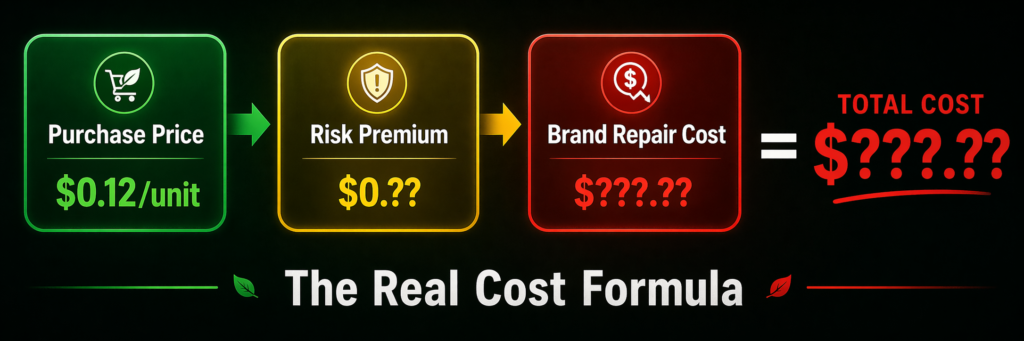
The real formula looks like this: Total Cost = Purchase Price + Risk Premium + Brand Repair Cost. When you calculate it honestly, working with vetted, compliant manufacturers is the lower-cost choice every time.
HOW HONSON GLOBAL BUILDS SUSTAINABILITY INTO EVERY STEP
Vetted Manufacturer Network
Honson Global has spent over 15 years building and maintaining a network of more than 2,000 Chinese manufacturers and suppliers. Every partner in this network has been evaluated against strict quality and compliance criteria. This isn’t a one-time check — regular re-audits ensure that standards are maintained over time. For brands, this means access to pre-qualified factories without the cost and complexity of conducting audits yourself.
Strategic Fulfillment = Fewer Miles
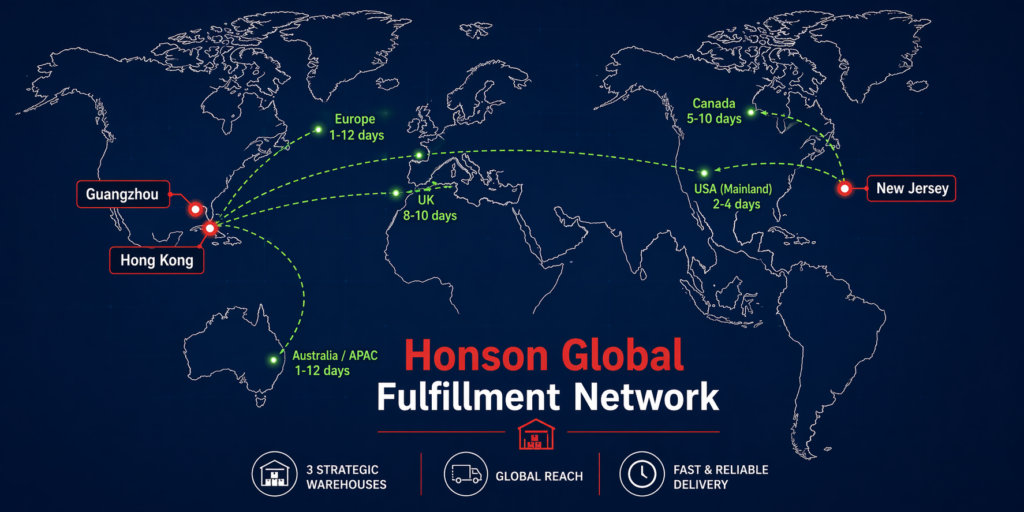
Sustainability isn’t just about how a product is made. It’s also about how far it travels to reach the customer. Honson Global operates fulfillment centers in Guangzhou, New Jersey, and Hong Kong. For US customers, orders ship from New Jersey and arrive in 2-4 days — eliminating the need for long-haul air freight from Asia for finished goods already in stock domestically.
Shorter shipping distances mean lower carbon emissions per order. They also mean faster delivery, fewer damaged shipments, and lower return rates. Environmental efficiency and operational efficiency are not competing goals — they reinforce each other.
Full Traceability From Factory to Doorstep
Honson Global provides traceability from raw ingredient sourcing through manufacturing to final delivery. For brands, this isn’t just a compliance tool — it’s a marketing asset. When you can tell your customers exactly where their supplement was made, what factory produced it, and what standards that factory meets, you’ve created the kind of transparency that builds lasting trust.
This traceability data fuels your brand story. It powers the “behind the scenes” content that performs well on social media. It answers the questions your customers are already asking — before they have to ask them.
THE BUSINESS CASE: SUSTAINABILITY CONVERTS
Here’s what the data shows: consumers consistently indicate a willingness to pay more for products with transparent, ethical sourcing. In the DTC supplement space, brands that position themselves around supply chain transparency see stronger conversion rates and higher repeat purchase rates than competitors who treat sourcing as a back-office function.
Supply chain transparency also creates a differentiated content engine. Every vetted supplier, every audited factory, every sustainability milestone becomes content — blog posts, social stories, email campaigns, and product page copy that competitors cannot replicate because they haven’t done the work.
Sustainability is not a cost center. It’s a competitive moat.
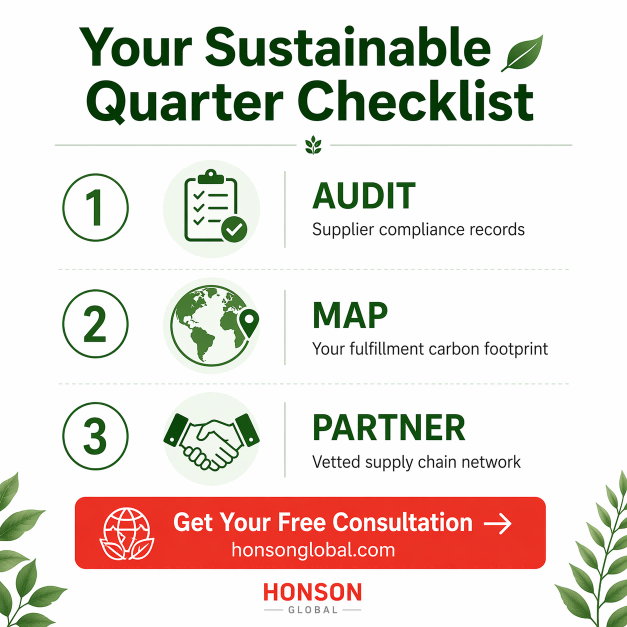
Step 1: Audit Your Current Suppliers’ Compliance Records
Review your existing manufacturer relationships. Ask for documentation on environmental compliance, waste management practices, and ingredient traceability. If a supplier cannot provide this, that gap is a risk to your brand.
Step 2: Map Your Fulfillment Carbon Footprint
Identify where your products travel the most miles between manufacturing and the end customer. Look for opportunities to stock inventory closer to your primary markets. Even partial domestic fulfillment can significantly reduce per-order carbon cost.
Step 3: Partner With a Vetted Supply Chain Network
Working with a sourcing partner that maintains an audited manufacturer network gives you instant access to compliance documentation and traceability data — without building that infrastructure yourself. It’s the fastest path from “we care about sustainability” to “here’s the proof.”
CONCLUSION
Sustainability in the supplement industry isn’t about perfection — it’s about progress. And progress starts with knowing where your products come from. This Earth Day, don’t just post a green graphic. Take the first step toward a supply chain your customers can believe in.
Contact Honson Global for a free supply chain consultation — we’ll help you identify where sustainable improvements can also improve your margins.